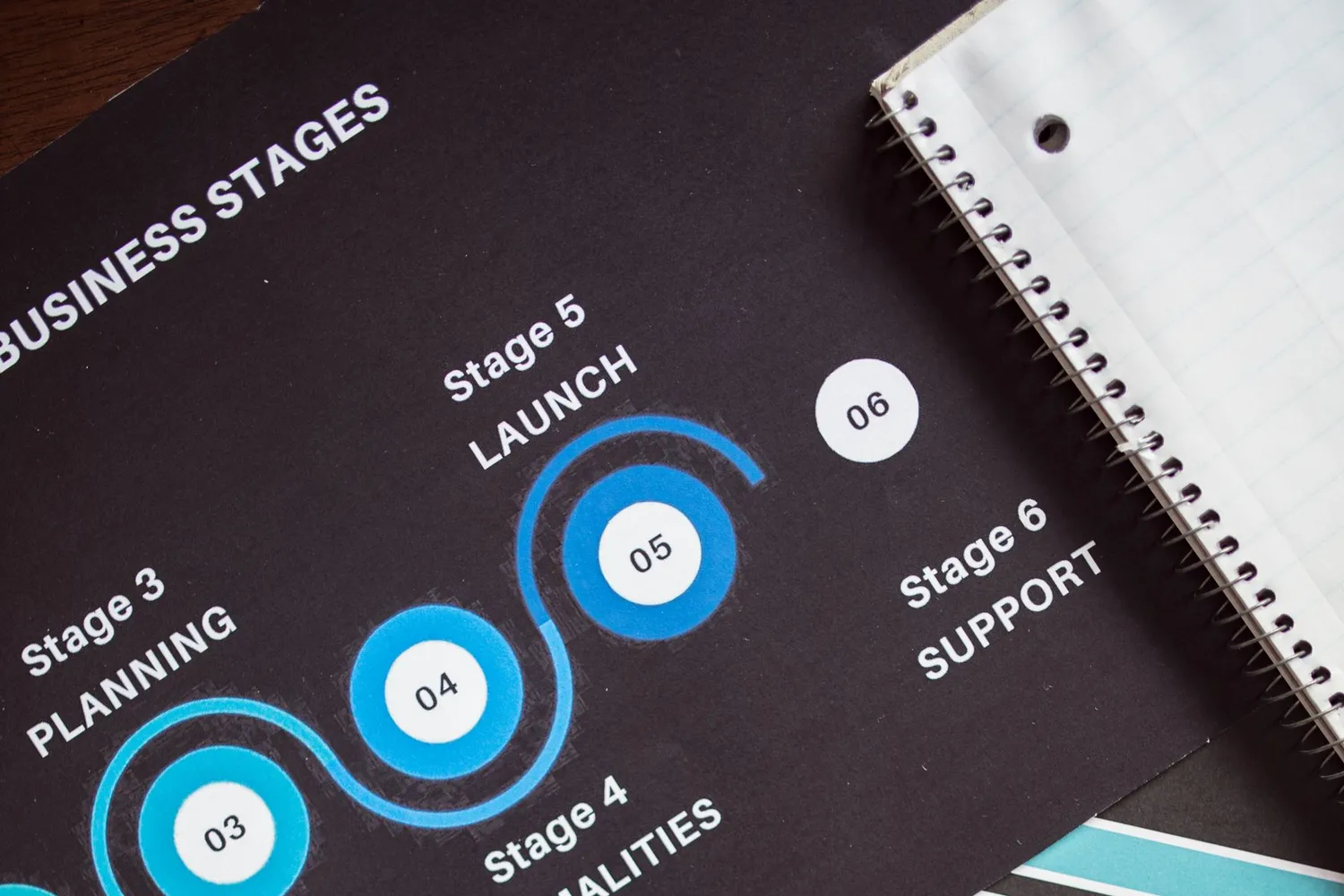
Buying more modules than needed
A broad licence scope lengthens implementation and trains users on functions they will never use. Start with the processes that matter most.
 000

EBTIKAR helps organisations select, implement and integrate ERP and line-of-business applications across finance, HR, procurement, inventory and sales.

An ERP programme succeeds or fails on process design and data quality long before configuration begins. We start by documenting how work actually flows today, then agree what should change.
Not every function needs every module. We help you scope the first phase around the processes that cause the most manual work or the greatest reporting difficulty, and leave the rest for later phases with a clear rationale.
Master data is cleaned and mapped before migration, integrations are documented with their failure behaviour, and reporting is built on the same definitions the system uses. Users are trained on their own transactions rather than a generic demonstration.
The software is rarely the hardest part.
A broad licence scope lengthens implementation and trains users on functions they will never use. Start with the processes that matter most.
Duplicate customers and conflicting item codes surface during migration. Cleaning them is a business task, not a technical one.
If nobody agrees how approval should work, the system will encode the confusion. Decisions belong before configuration.
Spreadsheets that shadow the ERP reintroduce the disagreements the project was meant to remove.
Scroll to see what that requires in practice.
Chart of accounts, item codes, customer records and approval rules are agreed and documented with their owners. When two reports disagree after launch, the answer is in that document.
Talk to our ERP teamEach stage produces a decision your team signs off before the next begins.

Current processes, systems, data quality and reporting gaps.
Current processes, systems, data quality and reporting gaps.
Delivered as a full implementation, a module expansion or an independent review.



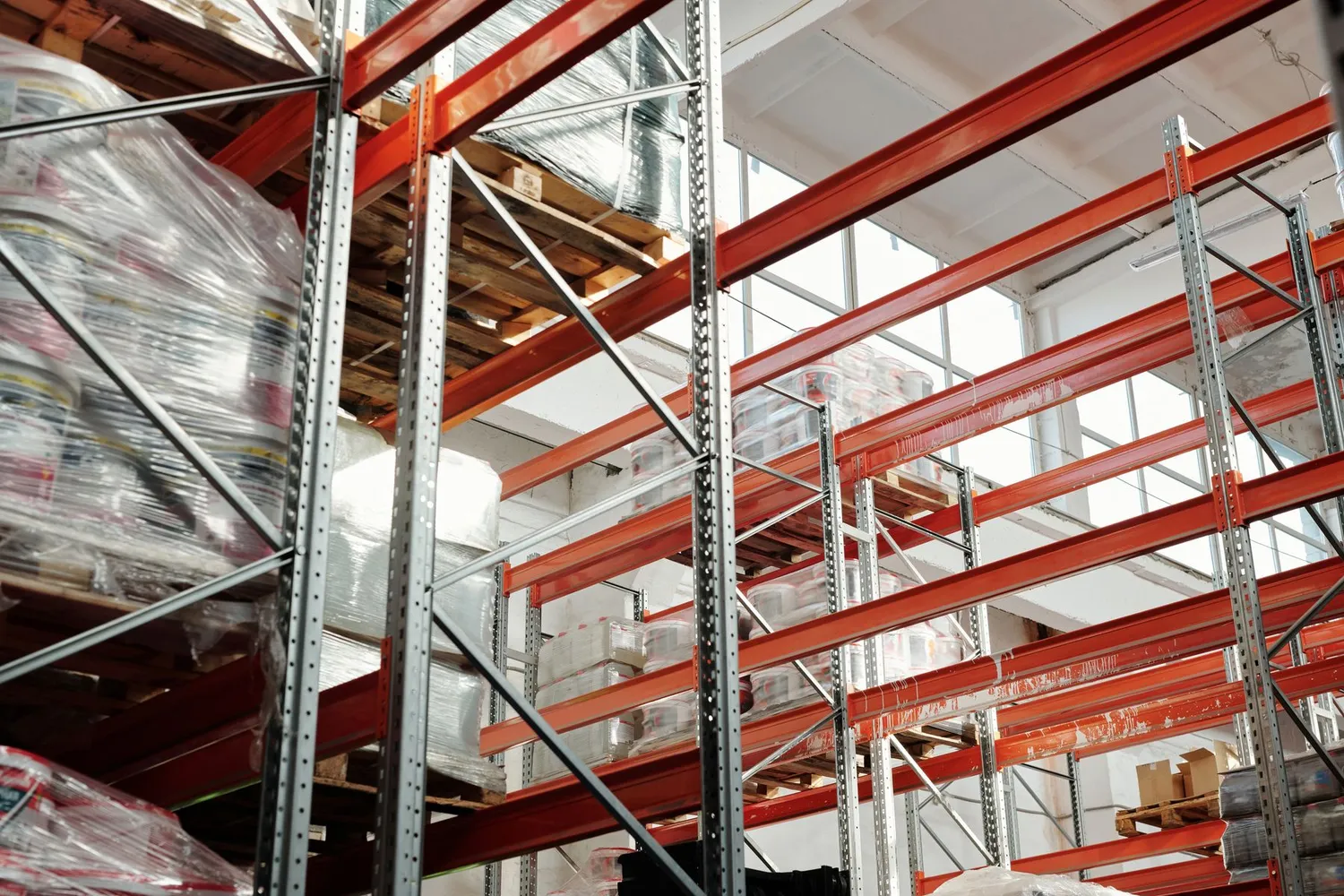


Scope only the areas you need now; the rest can follow.

A chart of accounts and cost structure that reflect how the business is managed, with a close routine the finance team controls.
Process and data decisions are made before the system is configured.
Document current processes, systems, data and reporting problems.
Agree the target process, module scope and data ownership with process owners.
Configure, migrate and integrate, with reconciliation at each step.
Train users on their own transactions, then support the first close and reporting cycle.
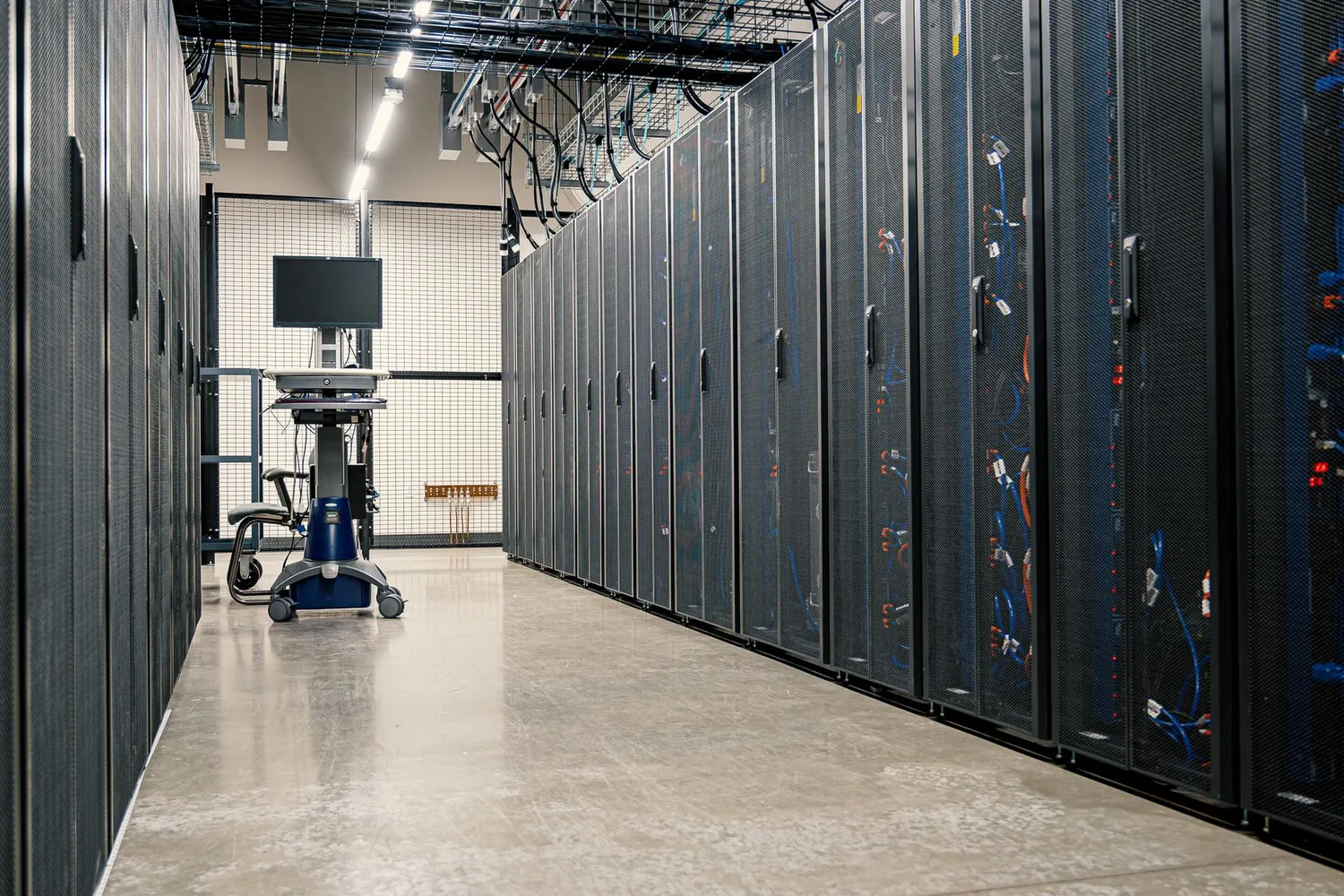
Success is a finance team that closes without a parallel spreadsheet.
Operations, finance and management report from the same records and definitions.
Approved transactions flow between areas instead of being retyped into another system.
Approvals, changes and postings are recorded with the user and time attached.
Tell us which processes cause the most manual work.
We will review the requirement and advise on scope, sequencing and whether a full implementation is justified yet.
We value your privacy
We use cookies to improve your browsing experience and understand how our website is used. You can accept all cookies or choose your preferences.
Legal
Choose how cookies may be used when you visit our website. You can update your preferences at any time.
Read the full details in our Privacy Policy and Cookie Policy.
Required for the website to function properly. They support essential functions such as security, consent storage and basic website operation.
Always active