A product chosen before the requirement
When a platform is selected first, the requirement is written to fit it and the alternatives are never compared fairly.
 000

EBTIKAR advises on technology strategy, architecture and IT governance, helping management make informed decisions before committing budget.
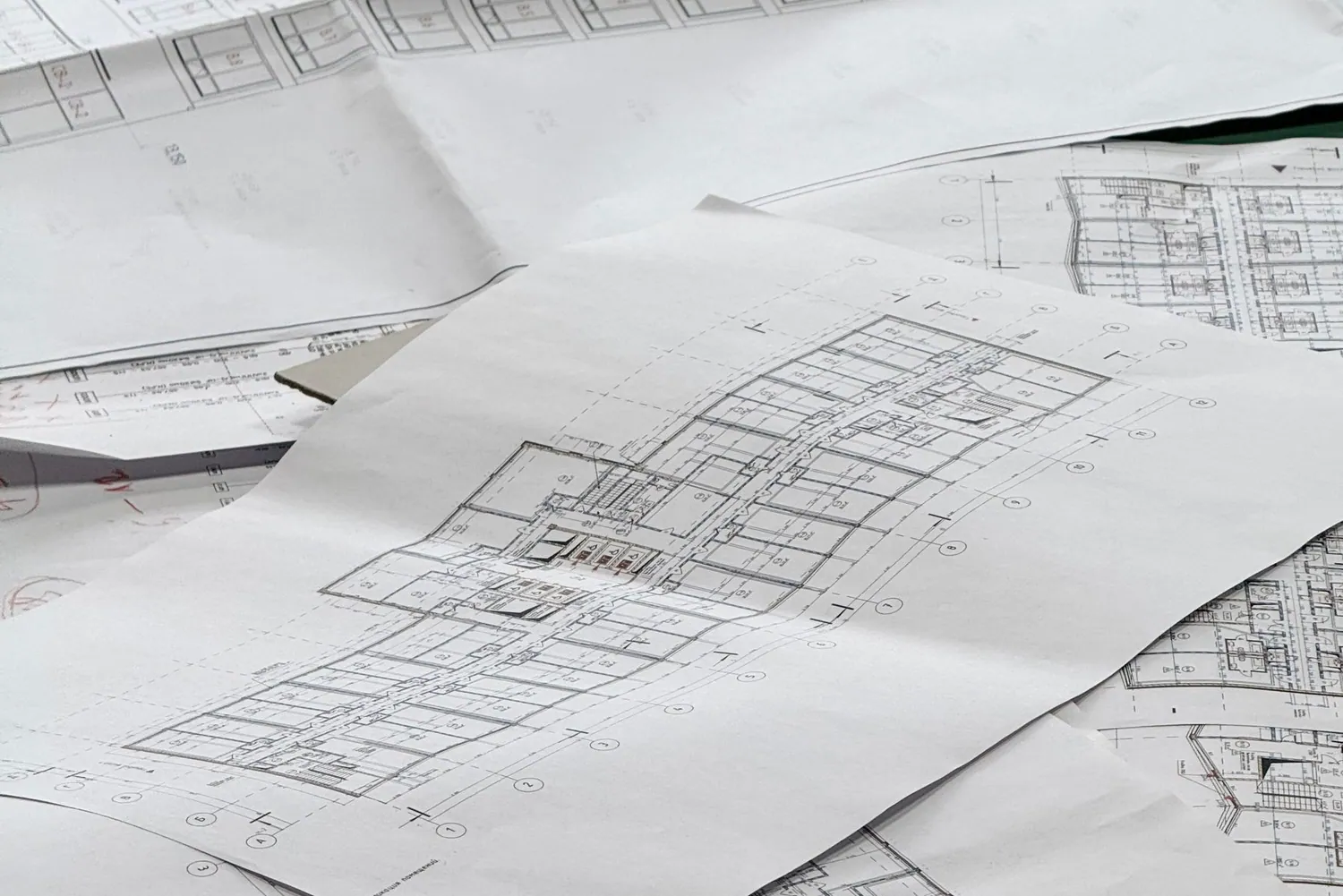
Technology advice is useful only when it changes a decision. We begin by establishing what management needs to decide, what constraints apply and what evidence is missing.
That usually means reviewing the current environment, interviewing the people who run it, and putting the options side by side with their cost, risk and operational consequences. Where the honest answer is to keep what you have, we will say so.
Deliverables are written for a management audience: a short paper with the recommendation, the reasoning and the cost of delay. Detailed technical annexes support it for the teams that will implement.
Most delays come from missing evidence rather than missing options.
When a platform is selected first, the requirement is written to fit it and the alternatives are never compared fairly.
A plan with no cost profile or sequencing cannot survive its first budget cycle.
Decisions made without a named owner are revisited every time the people in the room change.
A recommendation that always lands on the adviser’s own product is not an assessment.
Scroll to see what a defensible recommendation contains.
Every recommendation sets out the alternatives considered, why they were rejected, the cost and risk of each, and what would have to be true for the answer to change.
Talk to an adviserEngagements are short and scoped to a decision, not open-ended retainers.

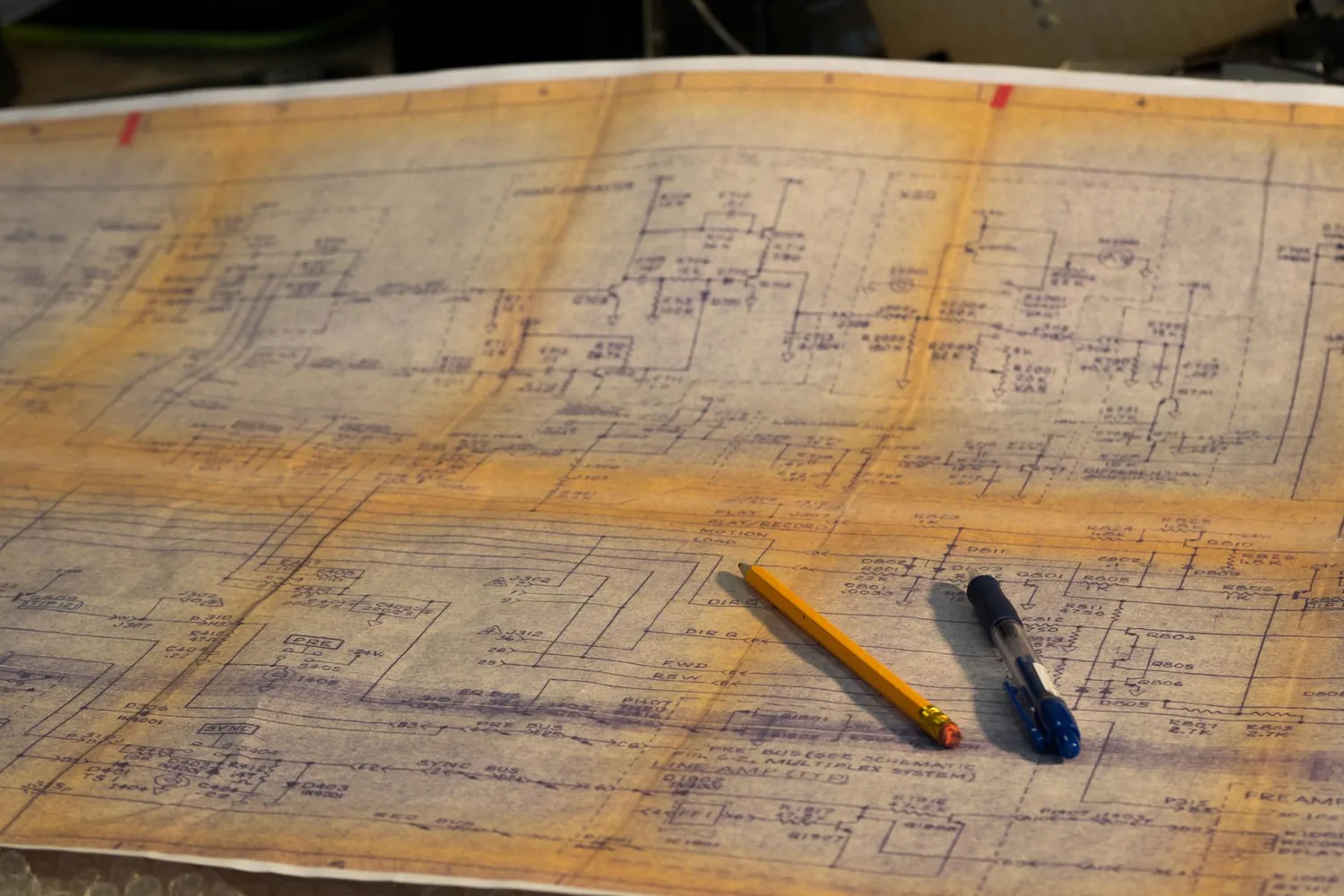



Every stage produces something your management can read and act on.
The decision to be made, its constraints and the stakeholders involved.
The decision to be made, its constraints and the stakeholders involved.
Each area can be a short engagement of its own.
An inventory of systems, contracts and support arrangements, with the risks and redundant spend made visible.
Short cycles, written outputs, and a decision at the end of each.
Agree the decision, the constraints and who needs to be involved.
Review the environment and interview the people who operate it.
Present options with cost, risk and consequence, and a clear recommendation.
Turn the decision into a sequenced plan with owners and review points.
The output is a decision your management can defend, not a slide deck.
The alternatives, the reasoning and the trade-offs are documented, so the choice survives scrutiny.
Cost ranges and sequencing are set before commitment, not discovered during delivery.
Each next step has a named owner and a review point, so progress is visible.
Bring the decision you have been postponing.
We will tell you what evidence is needed, how long the assessment would take and whether you need an adviser at all.
We value your privacy
We use cookies to improve your browsing experience and understand how our website is used. You can accept all cookies or choose your preferences.
Legal
Choose how cookies may be used when you visit our website. You can update your preferences at any time.
Read the full details in our Privacy Policy and Cookie Policy.
Required for the website to function properly. They support essential functions such as security, consent storage and basic website operation.
Always active