A process nobody defined
Different teams follow different steps, so the automation encodes one version and breaks the others.
 000

EBTIKAR automates repetitive business processes and connects the systems they pass through, so work moves with fewer manual steps and fewer errors.
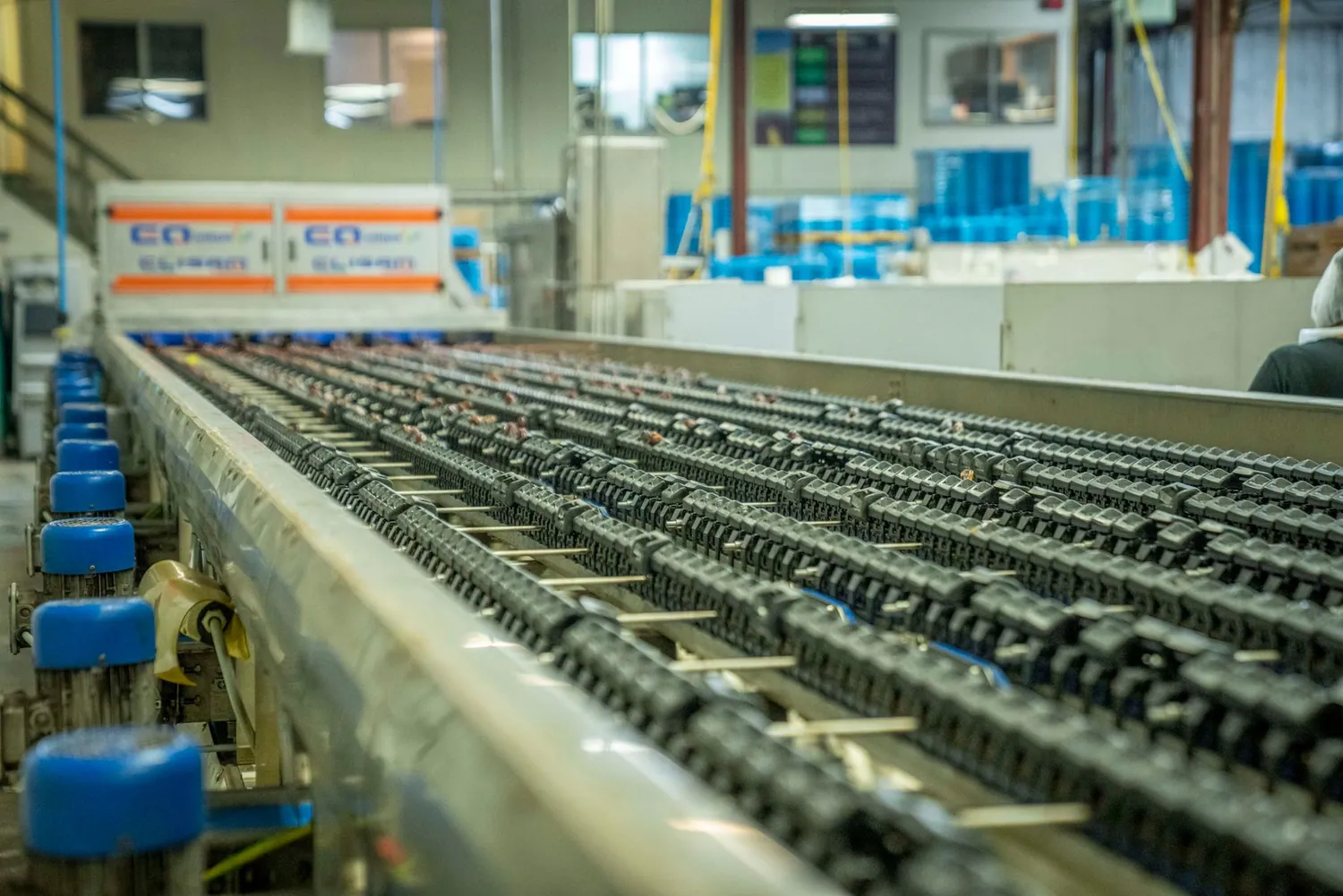
Automating a process that is already unclear only makes the confusion faster. We map how the work actually runs, agree what should change, and then automate the version your team has approved.
The first candidates are usually the steps that are frequent, rule-based and repeatedly retyped between systems: purchase requests, invoice intake, employee onboarding, report distribution and document routing.
Every automation we build reports on its own failures. If a system is unavailable or a document does not match, the exception is routed to a person with the context needed to resolve it, rather than disappearing.
Most abandoned automations worked once, then quietly stopped.
Different teams follow different steps, so the automation encodes one version and breaks the others.
A script that depends on screen layout or an undocumented file format fails the first time something changes.
When an automated step fails silently, the work stops and is discovered days later by a customer.
An automation is software. It needs monitoring, updates and someone accountable when a system changes.
Small, well-owned automations usually deliver more than one large programme.
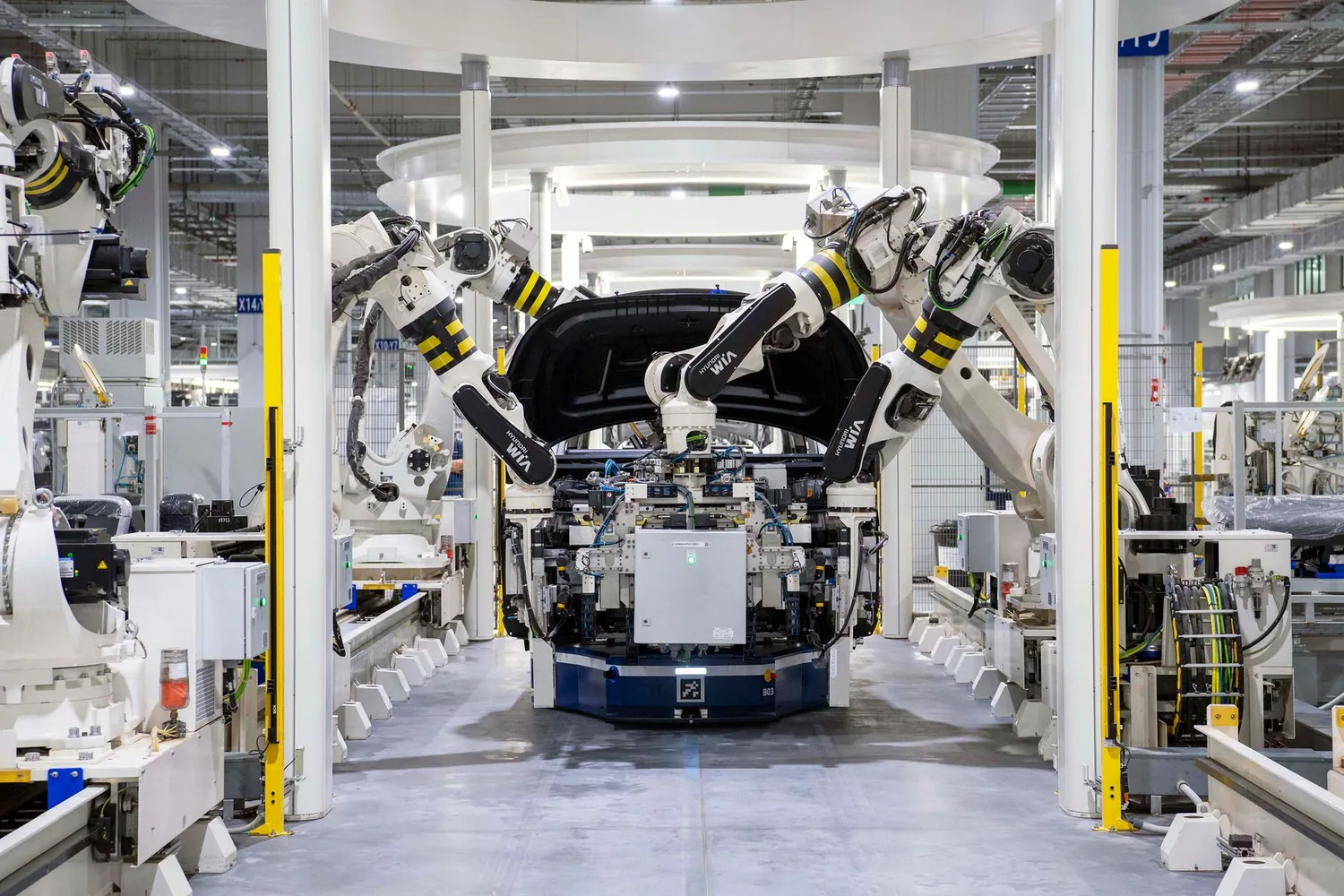


The process is simplified before it is automated.
Steps that are frequent, manual and rule-based, ranked by effort saved.
Steps that are frequent, manual and rule-based, ranked by effort saved.
Each tab shows the type of work involved and how it is controlled.
Frequent, rules-based processes with clear inputs and outputs, where manual handling adds delay rather than judgement.
Scroll to see how an automated process stays accountable.
Each automation has a named owner, a log of every run, an alert when a run fails, and a documented way to switch back to the manual step while the cause is investigated.
Talk to our automation teamStart with one process, prove it, then extend.
Measure where manual effort is spent and which steps are genuinely rule-based.
Simplify the process, define exceptions and agree how failures will be handled.
Build with logging, alerts and a manual fallback that can be used immediately.
Monitor runs, review exceptions monthly and adapt as systems change.
The benefit is time returned to the team, with fewer transcription errors.
Staff stop retyping the same information between systems and spend time on exceptions.
Requests and approvals move without waiting for someone to notice them.
Alerts and logs mean a broken step is fixed before a customer reports it.
Describe the manual step that consumes the most time.
We will assess whether it is worth automating, what it would involve and what should be simplified first.
We value your privacy
We use cookies to improve your browsing experience and understand how our website is used. You can accept all cookies or choose your preferences.
Legal
Choose how cookies may be used when you visit our website. You can update your preferences at any time.
Read the full details in our Privacy Policy and Cookie Policy.
Required for the website to function properly. They support essential functions such as security, consent storage and basic website operation.
Always active